A Wardrobe Does Not Need a Matching Set
A wardrobe without a matching set can still feel coherent. Connect clothes with color, texture, and shape to build flexible outfits from separate pieces.
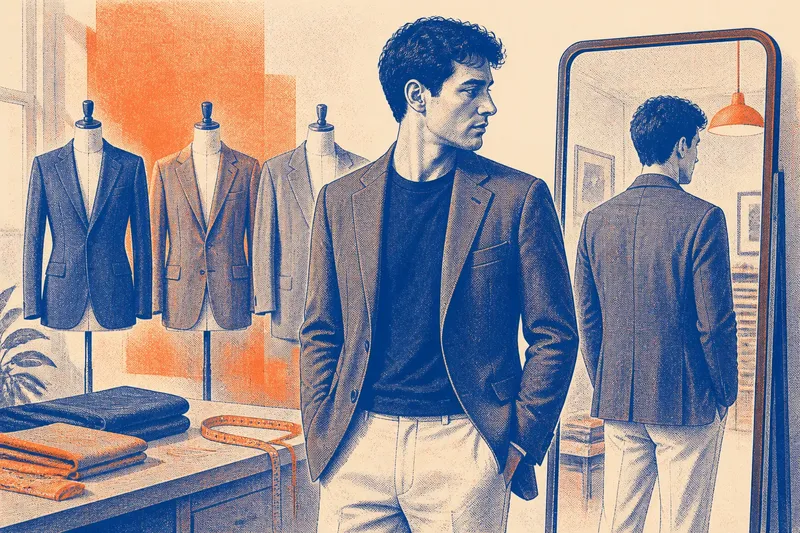
A wardrobe without a matching set can feel coherent without making every outfit look prearranged. A consistent palette gives separate garments a visual connection, while differences in texture, shape, and color keep combinations from looking like a uniform.
The aim is not to make every item go with every other item. It is to build enough points of connection that clothes can meet in more than one way.
Choose colors by role, not by rule
Start with colors you already reach for, then give them different jobs. Base colors such as navy, charcoal, cream, olive, or brown can anchor a wardrobe. Supporting shades such as rust, pale blue, or burgundy can add variation while relating to those bases.
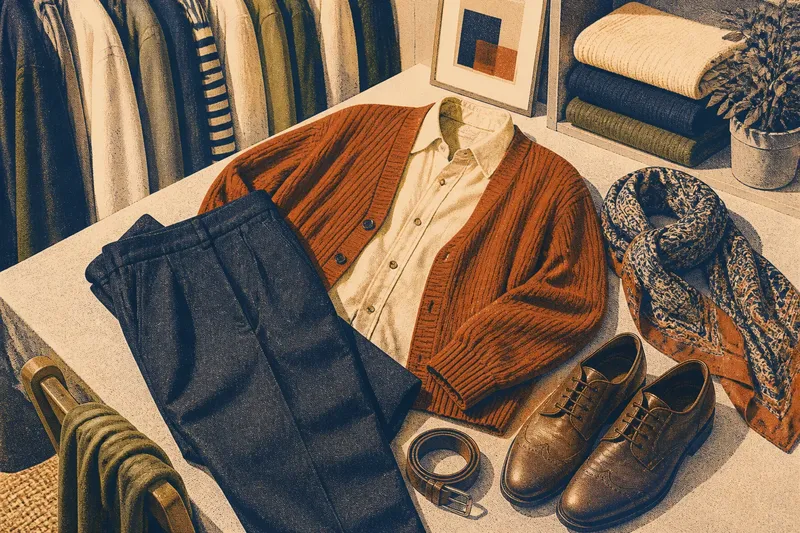
Treat the palette as a set of familiar meeting points, not a color card every purchase must obey. A cream shirt can sit between navy trousers and a rust cardigan; olive can relate to brown shoes without requiring the rest of the outfit to join in.
Say you often wear charcoal pants and own a bright green sweater that seems difficult to place. You lay out the sweater with charcoal pants, then add a cream shirt and brown shoes. The green now has two quieter neighbors, so the outfit feels connected without requiring every future purchase to accommodate that sweater.
Repeat a color without repeating the outfit
Color repetition can link garments with different cuts or purposes. A brown belt, a brown detail in a shirt pattern, and brown shoes need not be identical; their shared color family can create a quiet connection.
Use repetition sparingly. If the top, trousers, shoes, bag, and coat all echo the same color in the same way, the result can resemble a set assembled from one display. Let one or two details repeat, then allow another element to change the rhythm.
A patterned scarf can connect pieces that otherwise seem unrelated. It need not match the dominant color; a smaller accent can be enough.
Let texture add another kind of consistency
When colors vary, texture can make an outfit feel considered. A smooth cotton shirt, a ribbed knit, and brushed wool have different surfaces, even if they share a restrained palette. Their contrast keeps a group of neutrals from becoming visually flat.
Try pairing matte twill trousers with a soft knit, or a crisp poplin shirt with corduroy. The materials need not be seasonal opposites; their surfaces can contribute something beyond color.
Look at the whole outfit in ordinary light rather than judging each garment alone. A fabric that seems quiet on a hanger may become prominent beside a smooth or glossy surface.
Use silhouette as a point of difference
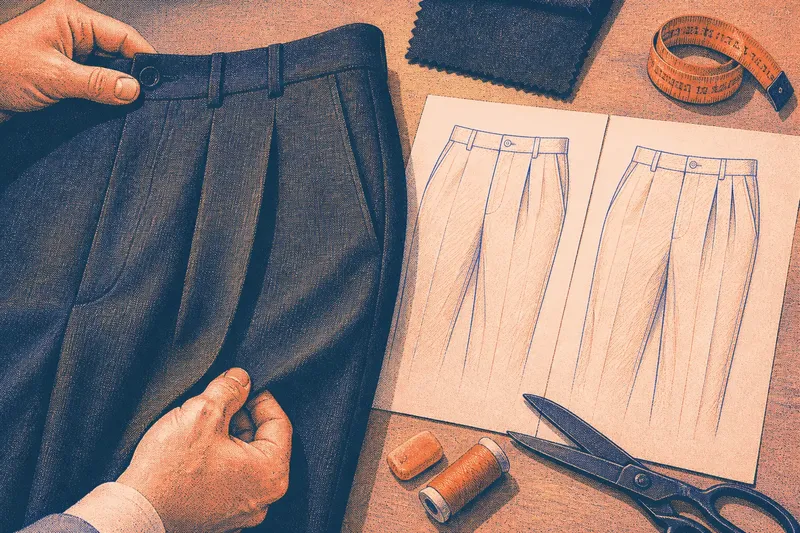
A cohesive palette does not require a repeated outline. If several garments are close in color, their shapes can distinguish them: straight trousers with a rounded sweater, a long shirt under a cropped jacket, or a narrow skirt with a fuller top.
Keep the contrast legible. If both pieces are voluminous, the outfit may feel less deliberate unless fabric or styling gives the shapes definition. If both are close-fitting, a longer layer or a change in texture can provide separation. These are options to assess in the mirror, not formulas to obey.
Keep one deliberate contrast in the mix
Variety often depends on a small interruption. A warm color among cool neutrals, a patterned piece beside solid garments, or a casual shoe with a sharper outfit can prevent a palette from feeling too controlled.
Choose a contrast that relates to something already present. A red bag can pick up a small red detail in a print; a patterned skirt can be balanced by a plain top in one of its quieter colors. The contrast should be visible enough to feel intentional, but it does not need to be repeated from head to toe.
If an item only works when surrounded by exact matches, it may be acting more like part of a set than a flexible wardrobe piece. That is not a defect, but it is useful to recognize before buying another coordinating item.
Build repeatable combinations and vary one part
Instead of treating complete outfits as fixed units, notice combinations that work and identify what can change. A shirt, dark trousers, and cardigan might become a shirt, skirt, and cardigan. The same trousers might work with a different knit and shoes. A familiar item supplies continuity while the changed piece keeps the outfit from becoming a uniform.
For a simple wardrobe review, lay out a familiar combination and swap one garment at a time. Ask whether the replacement connects through color, texture, shape, or a detail in a print. If it connects in at least one clear way, try the pairing. If it does not, add a supporting piece or set that combination aside.
Keep a short note or photograph combinations you like. Record the pieces rather than a rigid recipe: “cream shirt, olive trousers, dark shoes” leaves room to change the layer or accessory.
How can separate clothes look coherent?
Do all the colors in an outfit need to match?
No. Colors can relate through shared warmth, a repeated accent, or a quiet base shade without being identical. A little difference can make an outfit look less like a purchased set.
How many colors should a wardrobe palette include?
There is no required count. Start with colors already earning regular wear, then add shades that connect to them across several garments.
Can patterns work in a consistent wardrobe?
Yes. A pattern can bridge colors by including one or two shades already present in plain garments. Varying the scale or density of patterns can help them sit together without competing for attention.
What if a favorite garment fits none of the palette?
Keep it if you enjoy wearing it, and look for one or two practical links rather than rebuilding the closet around it. A neutral layer, a color repeated in its print, or a familiar shoe may give it enough context.
A wardrobe without a matching set works best when connection remains an invitation, not a test. When considering a new piece, ask what it can join and what different outfit it might help create. That question leaves more room for personal style than asking whether it completes a set.